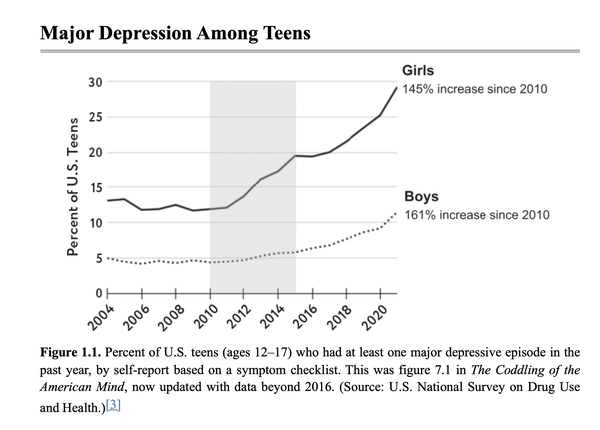
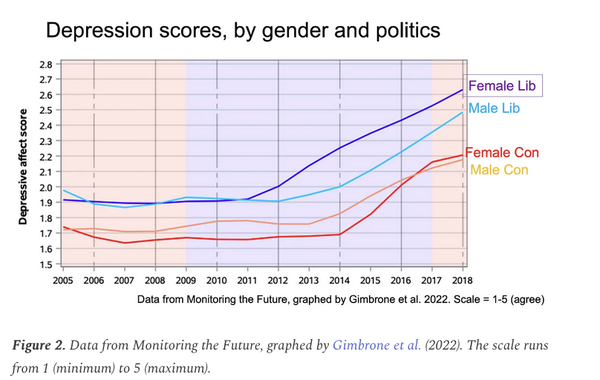
In the past, there was a cop-out. Rising depression and social media usage was correlational.
This research has now shown
causality, rather than correlation. The truth is out: social media is harming us, if we are not aware of how we can use it wisely.
I had seen this when I practiced social work. Kids were coming to me with the strangest experiences.
- One girl had been verbally insulted by the entire school online after she posted
a funny video of herself in uniform. It resulted in her being scared to go to school, and spending weeks at home.
- Another parent told me of how her 8 year old son had slammed the doorknob off a door when she controlled his phone gaming.
The effects are clear - so the question is,
why are we doing so
little about it?
1 talk
If your body was turned over to just anyone, you would doubtless
take exception.
Why aren’t you ashamed that you have made your
mind vulnerable to anyone who happens to criticize you, so that it
automatically becomes confused and upset?
- Epictetus, Greek Stoic philosopher
1 tip
Haidt’s solution? Speak up about the problem, and link up with other
parents.
In one study he shared, Latane and Darley brought students into a lab to discuss problems of urban life. After a few minutes, smoke began to pour into the room.
In the first situation, students were alone in the waiting room. In that condition, 75% took action, with half of the subjects leaving the room to find the experimenter within two minutes of
noticing the smoke’s appearance.
In another condition, three students were brought into the waiting room one at a time and seated at separate desks.
The experimenters wanted to know:
Would having multiple people witnessing the smoke increase or decrease the likelihood that
anyone would take action?
The answer: It decreased it.
Only three of the 24 students who were in that condition got up to report the smoke, and only one did so within the first four minutes, even though the smoke began to obstruct everyone’s vision by then.
The phone usage of
ourselves, and the people around us, is like watching smoke pour into the room. Because few people stand up to speak about it, we sit there, continuing to use our phone, and allowing others to use their phone.
None of this can prepare us for the social epidemic that has already started because of our phone usage.
Some people argue that the data shows correlation
and not causality. Yet whilst mental health conditions have been rising since the 1950s, none of it has been like the hockey stick increases in the early 2010s.