2-3-4: Feel frustrated that nothing you do seems to move the needle? Be more strategic
Published: Sun, 04/05/26
Updated: Sun, 04/05/26
Feeling frustrated, that your work is going nowhere?
2-3-4 Friday
‘Seeking to spark the most potential within you per word of any online newsletter’
1 thought
Recently we sat down with a Mayor Denise Phua in Singapore,
discussing some projects we were helping with.
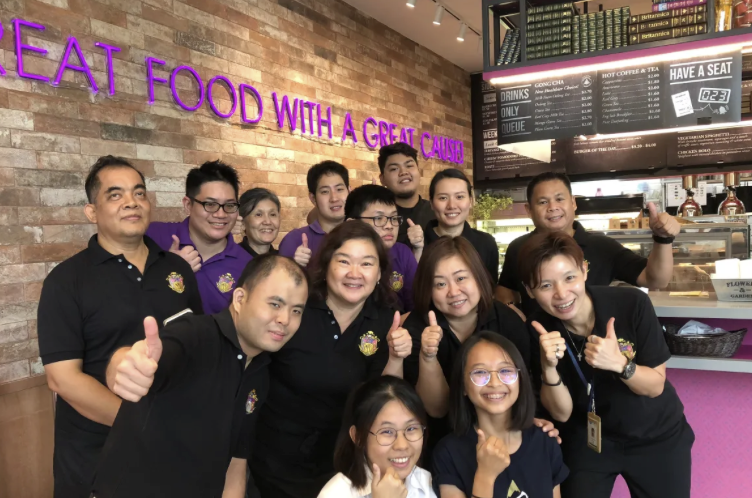
Prof Brawn Cafe
She was in her
element, in the Professor Brawn Cafe, which she had built together with her husband for those with special needs to find purposeful employment. She said something particularly insightful,
In terms of broad policy direction, everyone is generally okay with the general shape of it. Few can disagree that the policy would be good in the long run.
But the execution, ah, that’s
where the real good is found.
Talk is easy, actions are cheap.
And over the last two decades, Mayor Denise Phua has been slowly driving change across the entire nation. She alone, started the first purpose-built school for those with higher functioning special needs, called Pathlight.
When you
look at Pathlight, it looks like a simple school, but behind every detail is a specific intention. Like the water taps. There are those that are pushed, and those that need turning.
Students at Pathlight School
Why? So that students know how to use both. The canteen has an open kitchen, so that students can eventually learn how to work there - creating jobs, for those who would otherwise be outcast in society.
She was the one who drove the Purple Parade, another national walk to
galvanize inclusivity.
But then the question is, how do you balance between talk, and action?
In most organisations, the execution and strategy functions are split. Your manager tells you the strategy, and you go ahead and do it. But then that work itself is hard. That work involves many details, that can make or break a project.
So what this needs is a skill that Ray Dalio calls ‘shaping’ or being able to know the macros, and micros well. Again, big words.
What do they mean? How do you do them better?
Look again at Denise Phua’s example. She found the gap in Singapore’s education system, in the neat gap between those who were mainstream, and those in special needs. There were those with autism, who wouldn’t be able to fit into those settings. They would be too smart for a fully special needs school, which catered to those who were
non-verbal.
She found the systematic point of leverage, and started pushing it actively.
That’s what we need to do.
First understand what you’re best at doing.
Understand where the strategic lever lies.
Move that crux.
1 talk
Denise Phua, prefers to “roll sleeves rather than roll eyes”.
Archimedes: Give me a lever long enough and a fulcrum on which to place it, and I shall move the world.
1 tip
Archimedes' famous quote speaks about the power of levers. And it speaks to the fact - if we find the right strategic lever, we can move anything.
How? My favourite book on this is Rumelt's "The Crux".
“The first part is judgment about which issues are truly important and
which are secondary.
The second part is judgment about the difficulties of dealing with these issues.
And the third part is the ability to focus, to avoid spreading resources too thinly, not trying to do everything at once.
The combination of these three parts lead to a focus on the crux—the most important part of a set of
challenges that is addressable, having a good chance of being solved by coherent action.”
Rumelt, in his book, "The Crux"
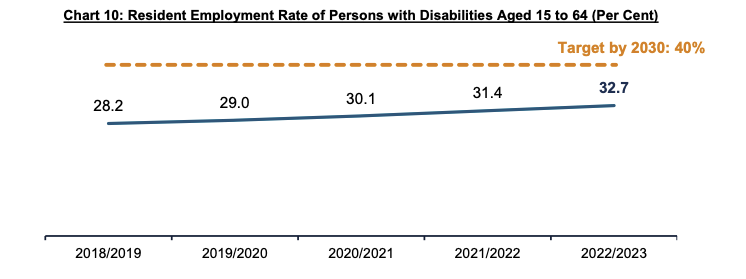
During the session, Mayor Denise kept talking about jobs. As someone who’d come from the world of business, she shared several times about how she wanted to buy some businesses, just so that she could create jobs for those with special
needs.
She knew that without jobs, these people with autism would never have a meaningful way of keeping up with costs, they would not socialize, and their parents would be left supporting them forever.
She knew the crux - create more jobs, and she’d solve many other problems.
She just kept grinding
that. And over the years, she’s moved the needle.
As social service professionals, workers in whatever industry you’re in, the reason for a lot of the frustration we
face is because we don’t feel that what we do is moving the needle in any significant way.
When I was a social worker, I hated social work because it felt like the financial assistance I made was a loose plaster that could drop anytime.
So, the only way I knew I could solve poverty was to give them the tools to get out of their own poverty, whether it be
by teaching them public speaking skills, or marketable skills.
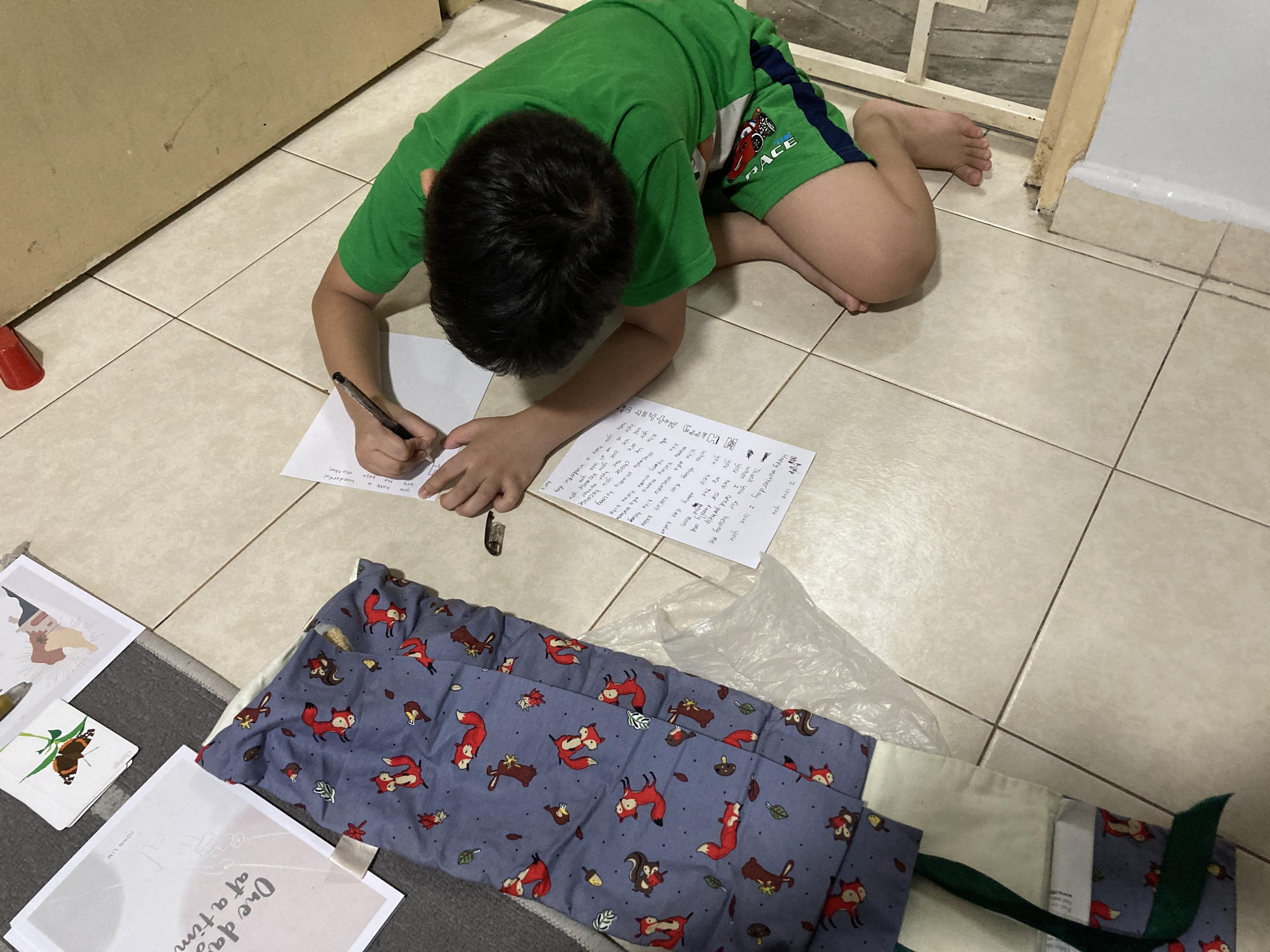
Me on the floor of a rental flat, teaching a young boy how to write out a letter expressing his own qualities
So one of the proudest moments came when I recently saw a previous client getting into university, and simply thinking,
wow. That’s the beginning of a new generation.
If you today feel like your work doesn’t change anything, then find the crux.