2-3-4: Why we sometimes take casenotes as the work in social work
Published: Sat, 05/02/26
Updated: Sat, 05/02/26
2-3-4 Friday
‘Seeking to spark the most potential within you per word of any online newsletter’
1 thought
In 1985, grocery retailer Sheng Siong, opened its first grocery
store. They had a long road to climb to the top. There were foreign retailers wanting a slice of Singapore’s growing economy, whilst locally, the Government had set up FairPrice to keep prices fair. No one expected Sheng Siong to win.
After all, the three brothers had been running a pig farm. They seemed uneducated, and could not even speak English.
How far
could they get?
Well, it seems - quite far. They IPO-ed the company in 2011, and later toppled the industry’s number two Cold Storage, and are now sitting at number 2, behind the national retailer, FairPrice.
But how? How could three brothers with little education, have come so far? This week, I was at Sheng Siong’s Annual General Meeting, held in its humble
headquarters in Mandai.
Sit there, and you’d quickly hear aphorisms that sound like wise cracks, but after repeating them, you realise that there’s much wisdom behind
them.
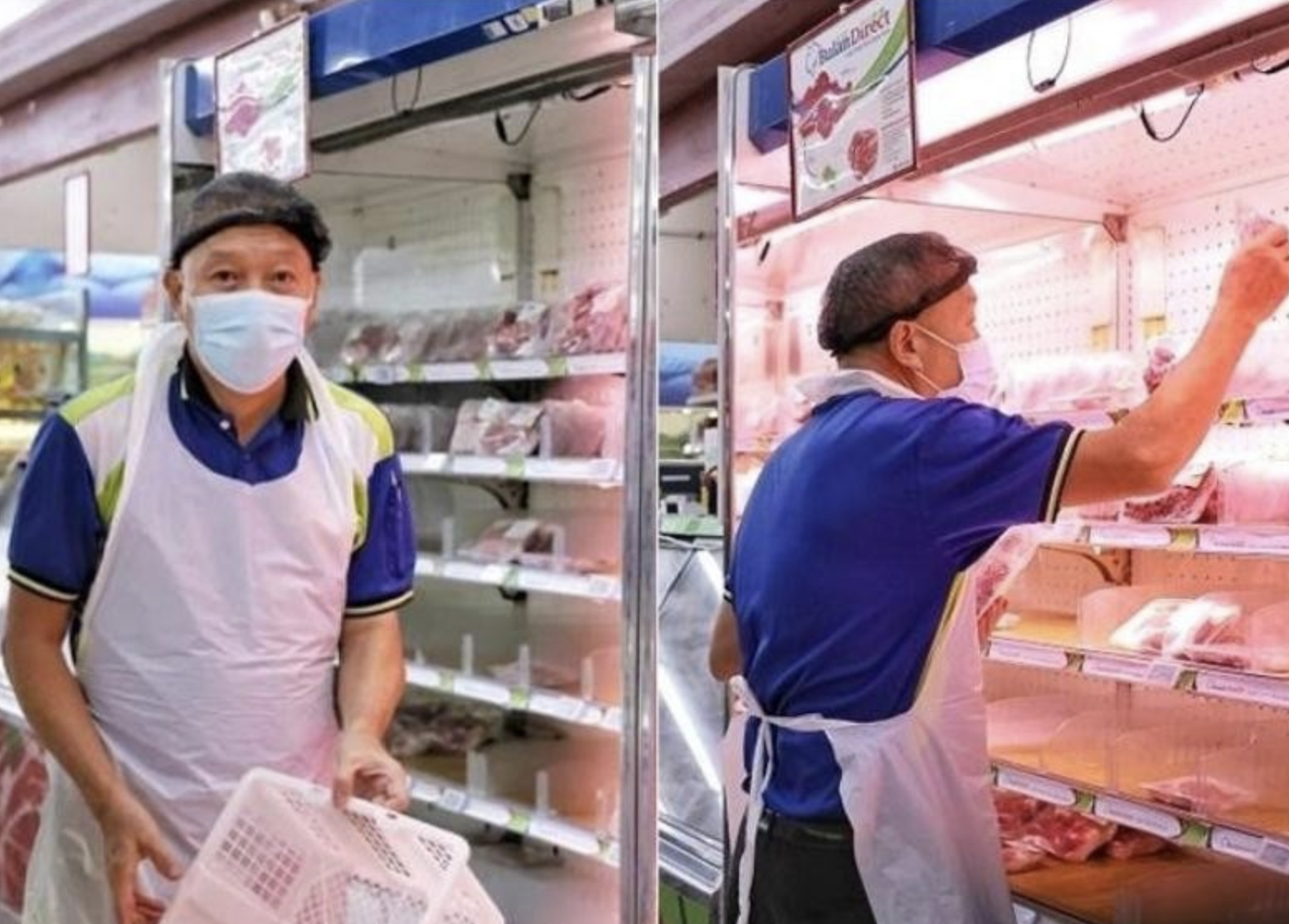
Your CEO is packing the shelves.
One shareholder complained about why the pay of the three
brothers seemed to be so high. At $8m per brother, it totaled $24m, for a company that was doing $1.4b in sales. Then Mr Lim, the CEO, says,
花钱的地方应该是在那些赚钱给你的人 (the best thing to spend on is the people who bring you the money.)
This year, I gave $5m of my own pay for the bonuses of the workers in the Chinese supermarkets.
He didn’t have to do that. He could have used the company’s money.
But he didn’t.
I then ask him how sure he is that the positioning of Sheng Siong can shift, given that he’s moved from the heartlands to the glitzier malls. He says,
服务,品质,价格,只要你攻这三个,那全部之后很容易。(Service, quality, and
price. As long as you hit these three, the rest would be easy.)
So then you see a man who’s built a company on simple values.
Treat people right.
Know the fundamental value offerings of what you do, and do more of it.
Sound easy?
It’s not.
1 talk
As long as you get the basics right,
everything else will follow.
1 tip
When I started in social work, I struggled because so much of the work seemed to be performative, rather than truly transformative. We know the common complaints.
The casenotes. The assessments. The paperwork. The admin.
All of that is enough to distract us from the real people work that makes the change.
The counseling
The home visits and visits to take the child and youth out for prosocial activities
The programmes that make lasting impact, through levers like education
So if you’re able to do more of these things, you slowly move the change you want to see.
One trick? I learnt to compress the case notes and assessments into high-intensity blocks, complete them, and move back into the people work.
Perhaps the complaint about this compliance work is the illusion that doing the surface work -
neater casenotes, longer assessments, will contribute to safer families and children.
What we may forget is that it’s not the surface work that makes the difference, but a true understanding of the root causes that changes things for the better.
So today, if you’re doing social work, work of any kind, understand what the painpoint you’re solving is. Have a
theory of how you’d solve that.