2-3-4 Friday: Young working adults, where do we go from here?
‘Seeking to spark the most potential within you per word of any online newsletter’
1 thought
Why does life seem to be feeling worse, even though subjectively, things are objectively better?
I will start from the macro headlines, before zooming
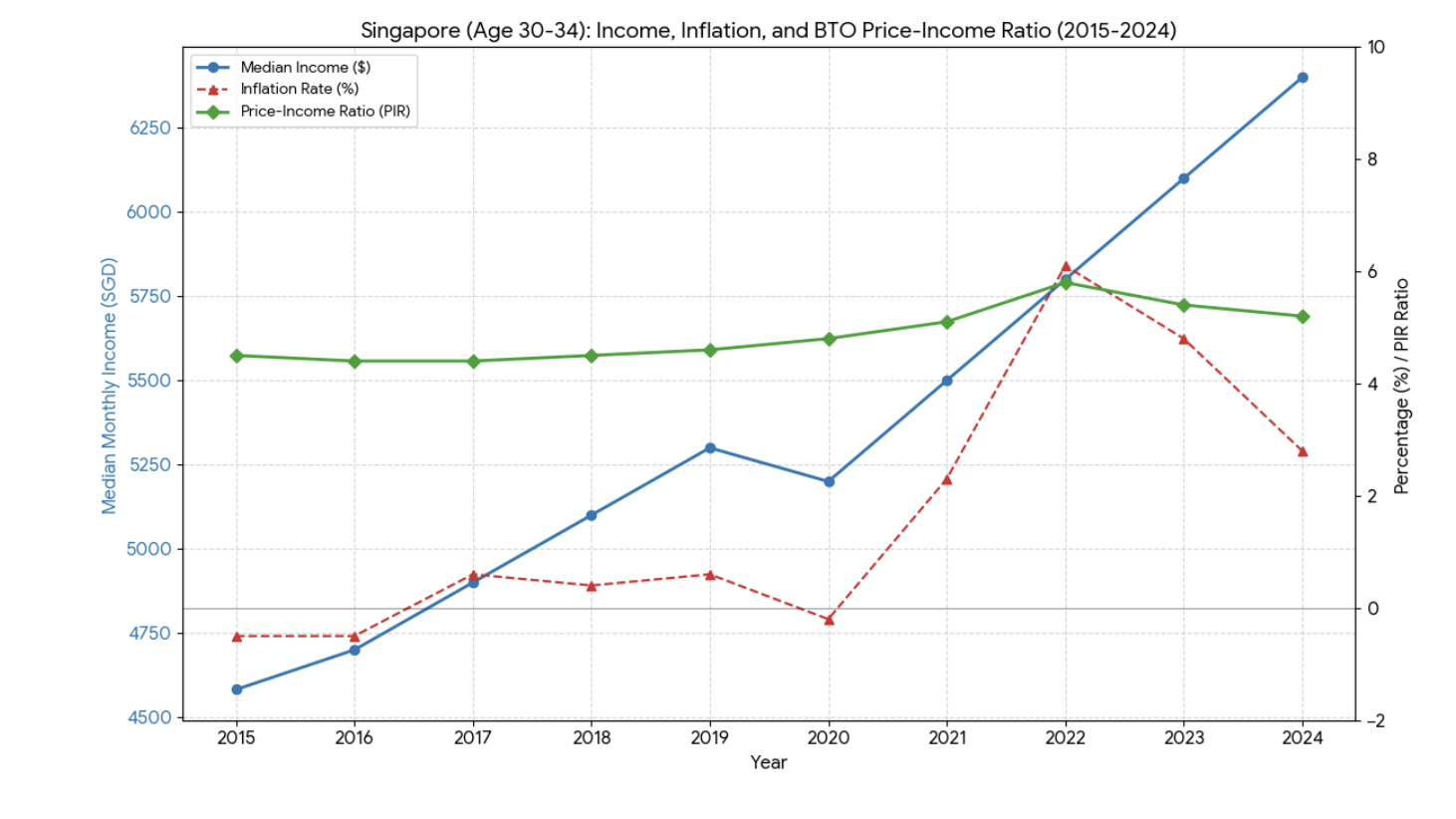
down into individual anecdotes. We know the headline statistics from the government, from the Ministry of Finance’s (MOF) recently introduced inequality report, on 9th Feb, days before the actual budget.
Yes, MOF acknowledged the wealth inequality. But as a whole, everyone’s wages has grown over the years. As ‘expensive’ as new homes are, the price-income ratio (house price/annual household income) has moderated to under
5.
People say their kopi-o has become more expensive. Just don’t drink the one at Toast Box, the coffeshop still averages $1.70.
So what are we complaining about? And do we have reason to complain?
Well, the answer, seems to be no, not really. Perhaps it’s because our expectations of what the
government should do, has grown.
Recently I was having a conversation with a doctor who told me about how he didn’t feel like he had enough money. I was curious why. The average salaries of Singaporean doctors who had 2 years of working experience was about $6200 a month.
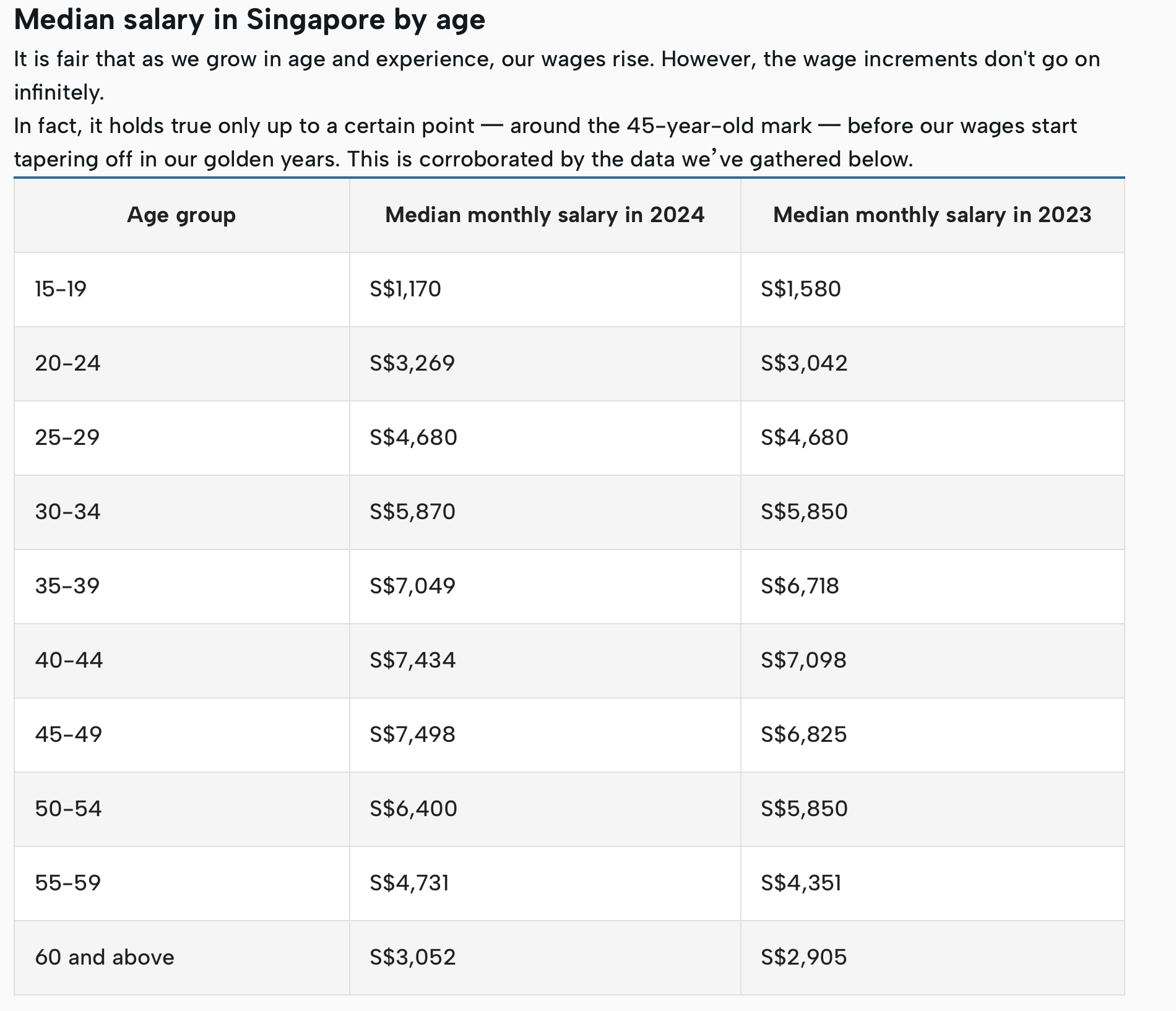
Data from MOM Labour Force Study
Wasn’t this enough?
This was beyond the median income. Yet it still didn’t seem enough. Is it just in our minds?
Another story. Hat-tip to Morgan Housel for sharing this story.
He writes, “My favorite Wikipedia entry begins: “Ronald James Read was an American philanthropist, investor, janitor, and gas station attendant.”
When Read was born in 1921, he was born into a family that managed a farm. He was the first to graduate from high school. After serving in the war, he came back and worked as a gas-station attendant for 25 years. He retired for a year, and then went back to working at JC Penney for another 17 years.
When he died, he bequeathed $6m to charities. He was worth $8m.
How? By saving the little he had, and frugally planting it in dividend investing stocks.
1 talk
“My favorite Wikipedia entry begins: “Ronald James Read was an American philanthropist, investor, janitor, and gas station attendant.”
1 tip
Whenever I read this story, I’m reminded of the difference one can take between ownership, and victimization. It’s easy to complain. You say that the government should do this and that, and instead of working to find a solution, you constantly complain.
It’s easy to
move your mouth, and not your hands to work. Why do we still keep complaining? Because it’s hard to work. It’s easy to talk. About how the odds are against you, how the government should do more.
And let me make no excuses. I used to do that. All the time.
I would walk into job interviews, deliberately fail them by replying
stupidly.
Example.
Why do you want this job?
I just want to clear my bond.
…
Silence on both ends. The interview ends soon after.
I then blame employers for not giving me a chance. What changed? It was the simple fact of recognizing that this wasn’t serving anyone. It was just self-sabotage. Every time you complain, you’re just giving power to someone else over your life.
Yes, there are things other people should do. But you can’t control that. You can make them aware of it, but it’s up to them to take those
decisions. And until they make that change you can do something to help yourself.
So as harsh as this sounds, stop complaining.
John
Live Young, Live Well - Work Your Love